 About Us">
 Enterprise Dynamics">





Biopsy forceps: Reusable or disposable?
 Mar 18, 2026|
 View:1257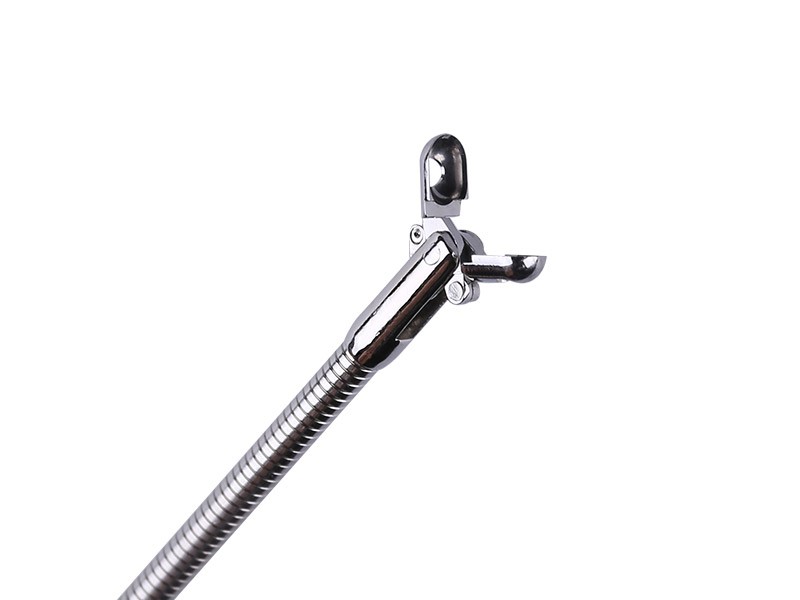
For decades, endoscopy units worldwide have grappled with a fundamental question: should we invest in reusable biopsy forceps or switch to single-use devices? This decision impacts not only procedural budgets but also infection control protocols, workflow efficiency, and diagnostic confidence. With evolving clinical guidelines and advanced manufacturing, the debate has intensified.
This article provides a balanced, data-driven comparison of reusable versus disposable biopsy forceps. We will examine safety records, true cost implications, performance variability, and logistical considerations. Whether you are a procurement manager, head of gastroenterology, or a practicing endoscopist, understanding these dimensions is crucial for making a choice that prioritizes patient safety without compromising clinical outcomes.
At Ate Medical, we specialize in manufacturing high-quality disposable biopsy forceps designed to meet the rigorous demands of modern healthcare. Our insights are drawn from clinical evidence and direct engagement with medical professionals.
Key Takeaways: Reusable vs. Disposable Biopsy Forceps
✔ Infection Risk is Decisive: The single greatest advantage of disposable biopsy forceps is the complete elimination of cross-contamination risk. Reusable forceps, despite sterilization, can retain organic material in their hinges and crevices, posing a potential threat to patient safety.
✔ The "Iceberg" Cost of Reusables: The purchase price of reusable biopsy forceps is misleading. The true cost includes reprocessing (labor, chemicals, equipment), repairs, and inventory management. Disposables offer a predictable, all-inclusive cost per procedure.
✔ Performance Consistency: New disposable biopsy forceps provide guaranteed, "like-new" performance every time. The performance of reusable forceps degrades with each use and sterilization cycle, potentially affecting sample quality.
✔ Clinical Versatility: Both reusable and disposable options come in various jaw types (oval, alligator), with or without needles, and in different diameters. However, disposables offer this versatility without the need for reprocessing specific models.
✔ Sustainability Considerations: While disposables generate more medical waste, modern reprocessing of reusables consumes significant water, energy, and chemicals. A full life-cycle assessment is complex and facility-dependent.
1. The Safety Imperative: Why Cross-Contamination is a Deciding Factor
The primary mission of any medical device is to do no harm. When it comes to biopsy forceps, their complex design—with a flexible coil sheath, a control handle, and a precise jaw mechanism—makes them particularly challenging to clean and sterilize thoroughly. Tiny biological debris can become lodged in the hinge pin or within the coil, surviving automated reprocessing cycles.
This persistent risk has led many expert bodies and clinicians to advocate for disposable biopsy forceps. Using a sterile, single-use device for each patient provides an absolute barrier against pathogen transmission. It removes the variable of human error in cleaning and the uncertainty of sterilization efficacy. For immunocompromised patients or in units with high turnover, this safety guarantee is non-negotiable. Ate Medical manufactures its disposable biopsy forceps in controlled environments, ensuring each unit is sterile and ready for immediate, safe use.
2. The Real Cost Analysis: Beyond the Price Tag
The economic argument is often the most debated. A reusable biopsy forceps may cost several hundred dollars upfront and be used dozens of times. However, this simplistic view ignores the significant "hidden" costs associated with reusables.
The table below breaks down the true cost comparison between reusable and disposable biopsy forceps over the lifecycle of a device.
| Cost Factor | Reusable Biopsy Forceps | Disposable Biopsy Forceps |
|---|---|---|
| Initial Purchase Price | High (several hundred $/unit) | Low to Moderate (per unit) |
| Reprocessing (per use) | Significant: labor, water, detergents, sterilization, quality control, tracking, storage. | None. Device is used once and discarded. |
| Repair & Replacement | Frequent: dulling jaws, damaged cables, handle failure. Requires sharpening or new purchase. | None. A new device is always used. |
| Logistics & Inventory | Managing stock, tracking usage cycles, transporting to/from sterile processing. | Simplified storage of sterile boxes; "just-in-time" ordering possible. |
| Cost per Procedure | Variable and often underestimated. Can be higher than a disposable when all factors are included. | Fixed and predictable. The purchase price is the total cost. |
| Financial Risk | Unexpected repair costs; potential outbreak investigation costs if a cross‑contamination event occurs. | Minimal. No reprocessing-related costs or infection liability from device reuse. |
As the table illustrates, while the per-unit cost of a disposable biopsy forceps is an obvious line item, it often represents a more manageable and predictable expense compared to the complex financial footprint of reusables.
3. Performance and Sample Quality: Consistency Matters
Diagnostic accuracy depends on obtaining high-quality tissue samples. The mechanical performance of the biopsy forceps directly influences this. A reusable forceps that has been used dozens of times will inevitably have duller jaws. This can lead to:
Crush Artifact: Dull jaws crush the tissue edges, making histological interpretation difficult.
Inadequate Sample Size: The forceps may tear rather than cleanly cut, resulting in a smaller or fragmented specimen.
Procedure Delays: Failed grips or the need for multiple passes to get a good sample prolongs procedure time and patient sedation.
A brand-new disposable biopsy forceps, by contrast, guarantees a sharp, precise bite every time. Manufacturers like Ate Medical use advanced jaw processing techniques to ensure a clean cut with minimal bleeding, optimizing sample integrity for the pathologist. This consistency is a powerful clinical advantage.
4. Workflow and Logistics: The Daily Impact
The choice between reusable and disposable biopsy forceps profoundly affects daily workflow in an endoscopy unit.
Reusable Workflow: After a procedure, the used forceps must be contained, transported to central sterile, decontaminated, inspected, packaged, sterilized, and returned to inventory. This cycle requires dedicated staff, space, and time. A shortage can delay cases.
Disposable Workflow: After use, the disposable biopsy forceps is discarded in a sharps container. A new, sterile unit is simply opened for the next patient. This streamlines turnover, reduces the burden on sterile processing departments, and ensures that the right type of forceps (e.g., with a needle, alligator jaw) is always available without delay.
For busy endoscopy suites, the logistical simplicity of disposables can translate into more procedures per day and reduced staff stress.
5. Customization and Clinical Choice
Both reusable and disposable biopsy forceps are available in a range of specifications. The key difference is accessibility. With disposables, a department can stock a variety of models to suit different clinical scenarios without committing to the high cost of multiple reusable units.
Ate Medical offers a comprehensive range of disposable biopsy forceps to meet diverse needs, including options for:
Jaw Type: Oval cup for general mucosal sampling or alligator cup for fibrous tissue.
Needle: With or without a central spike for targeted sampling and anti-slip control.
Sheath: Coated or uncoated, affecting friction and flexibility.
Diameter: 1.8mm for pediatric or thin scopes, and 2.3mm for standard adult endoscopes.
This variety ensures that clinicians have the precise tool for the specific anatomical and pathological challenge, without the reprocessing burden.
FAQ: Common Questions About Biopsy Forceps Choice
Conclusion
The decision between reusable and disposable biopsy forceps is multifaceted. While reusable instruments have served as the workhorse for years, the accumulating evidence on infection control, the hidden costs of reprocessing, and the guarantee of consistent, high-quality performance increasingly favor disposables. They offer a streamlined workflow, predictable budgeting, and, most importantly, the highest level of patient safety by design.
Ate Medical is committed to supporting healthcare providers with top-tier disposable biopsy forceps that combine clinical precision with operational simplicity. We invite you to review our product range and contact our team to find the perfect solution for your endoscopic practice.
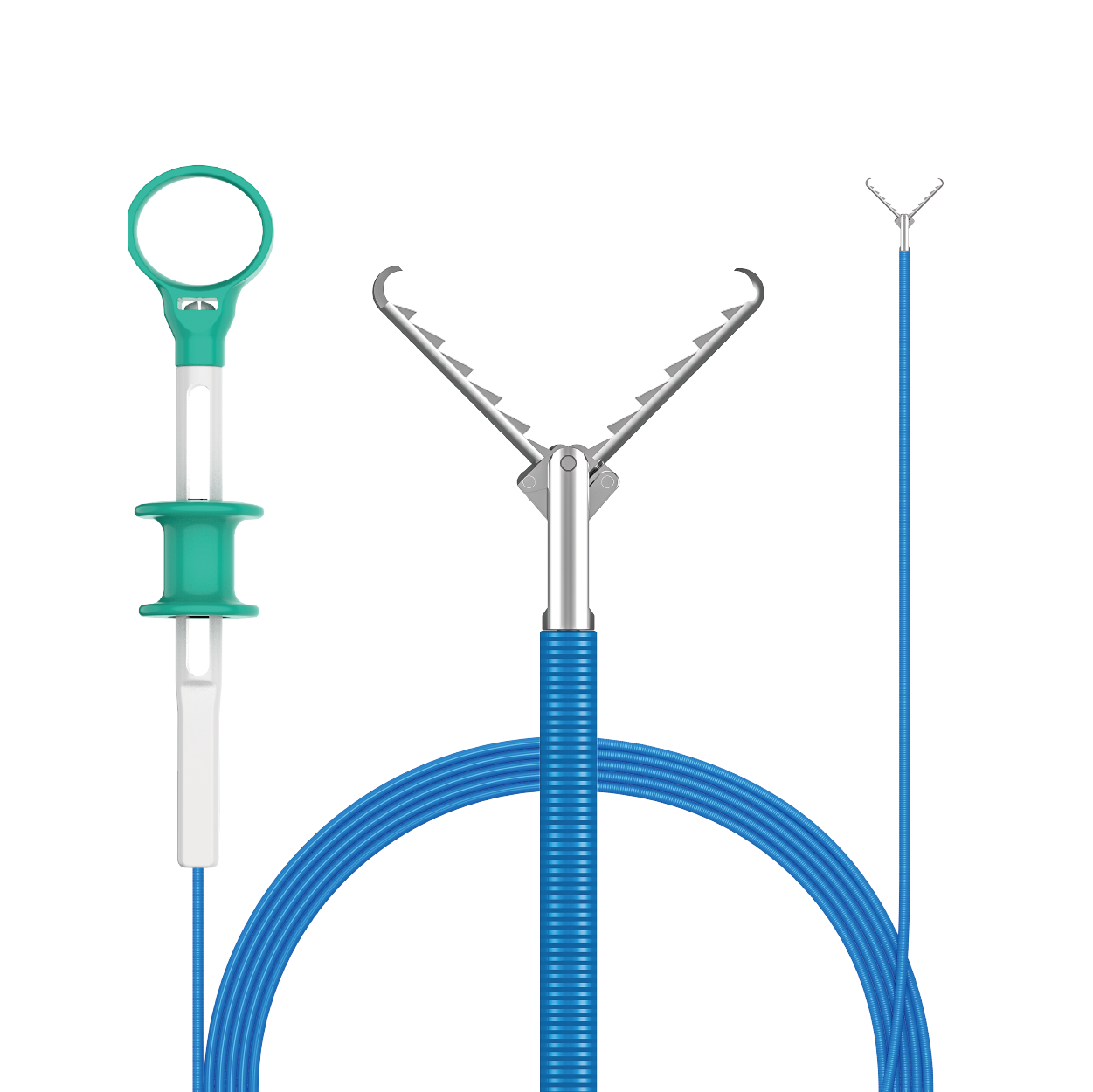
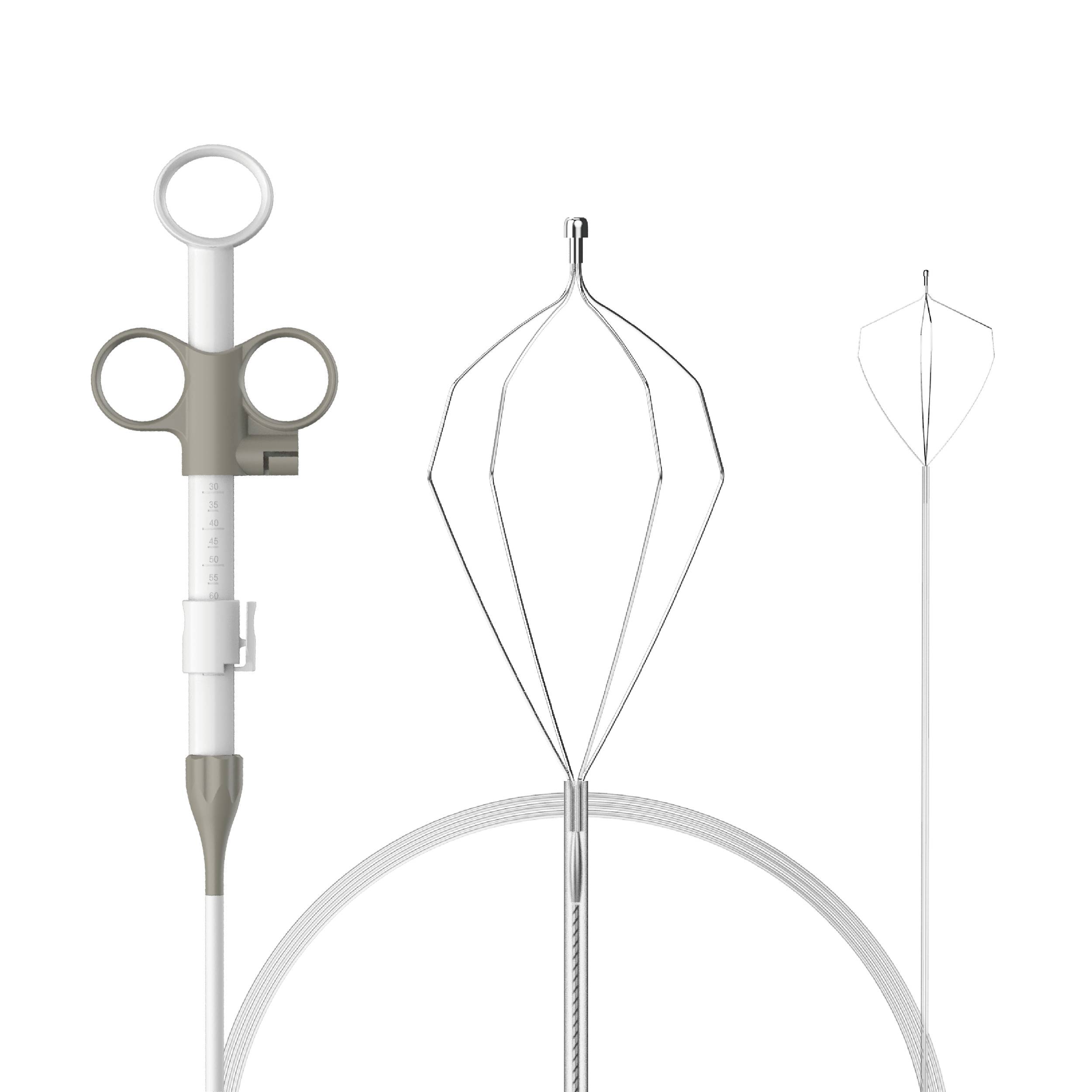
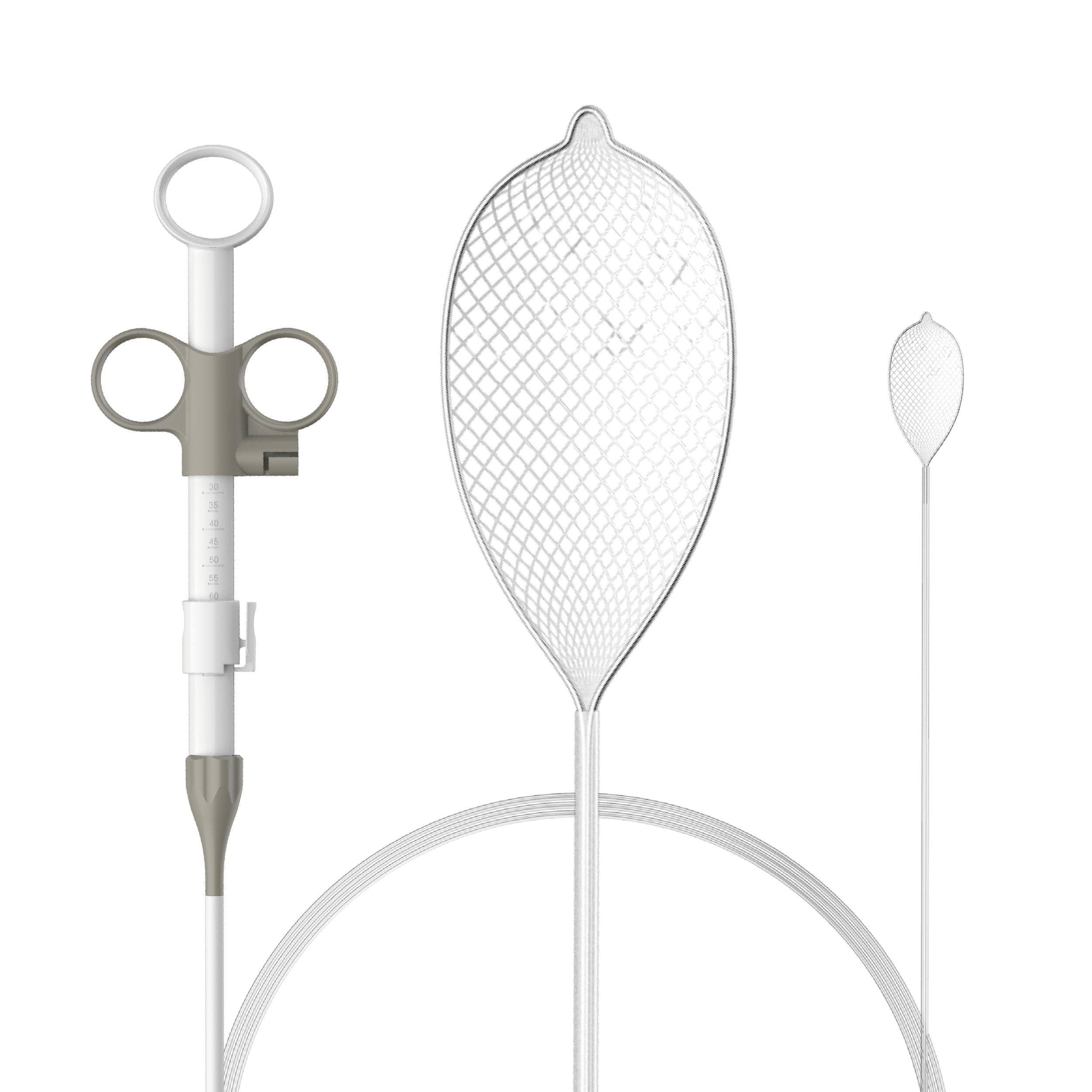
Recommended Products

Disposable Biopsy Forceps (Rotatable)
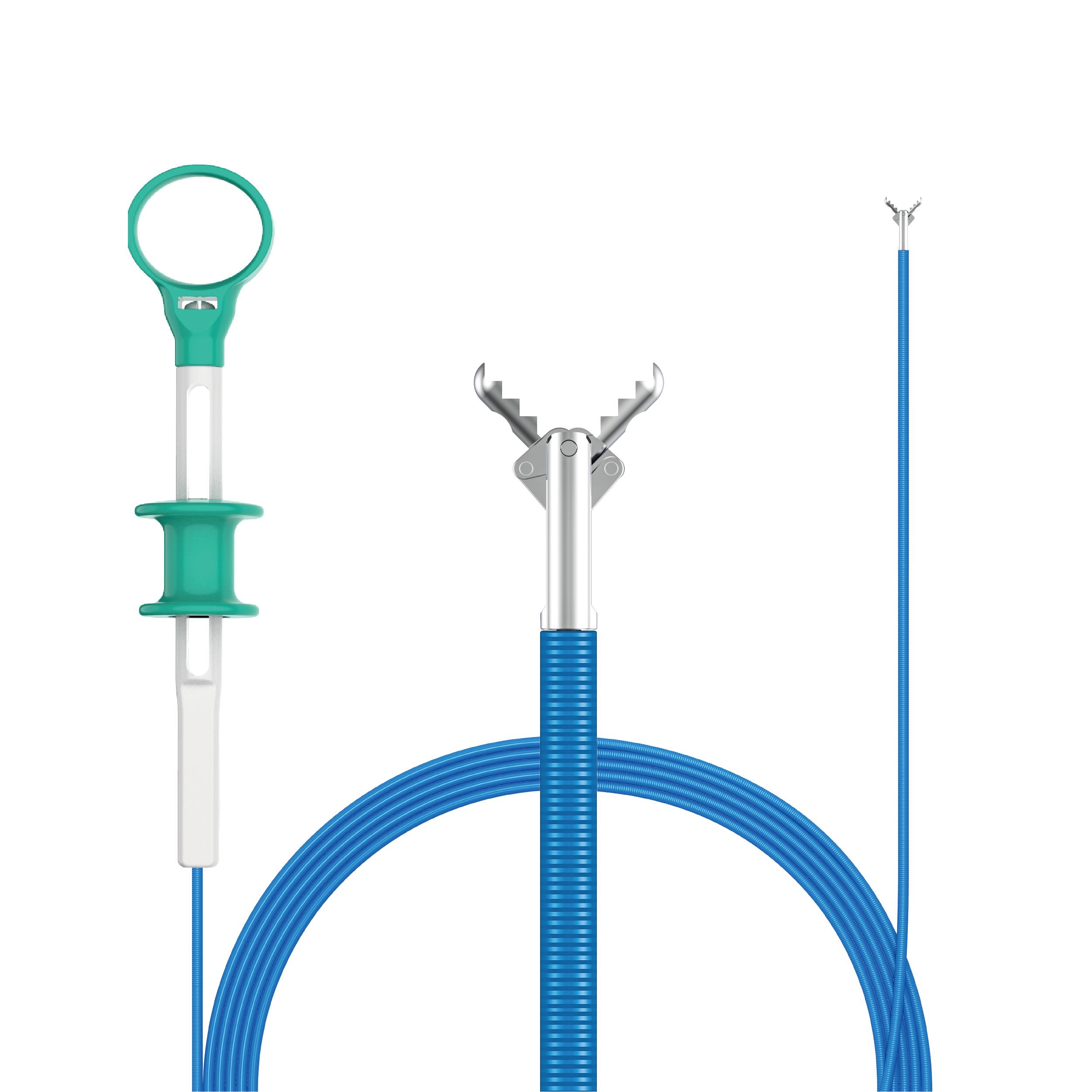
Disposable biopsy forceps(Coated,without spike,Alligator)
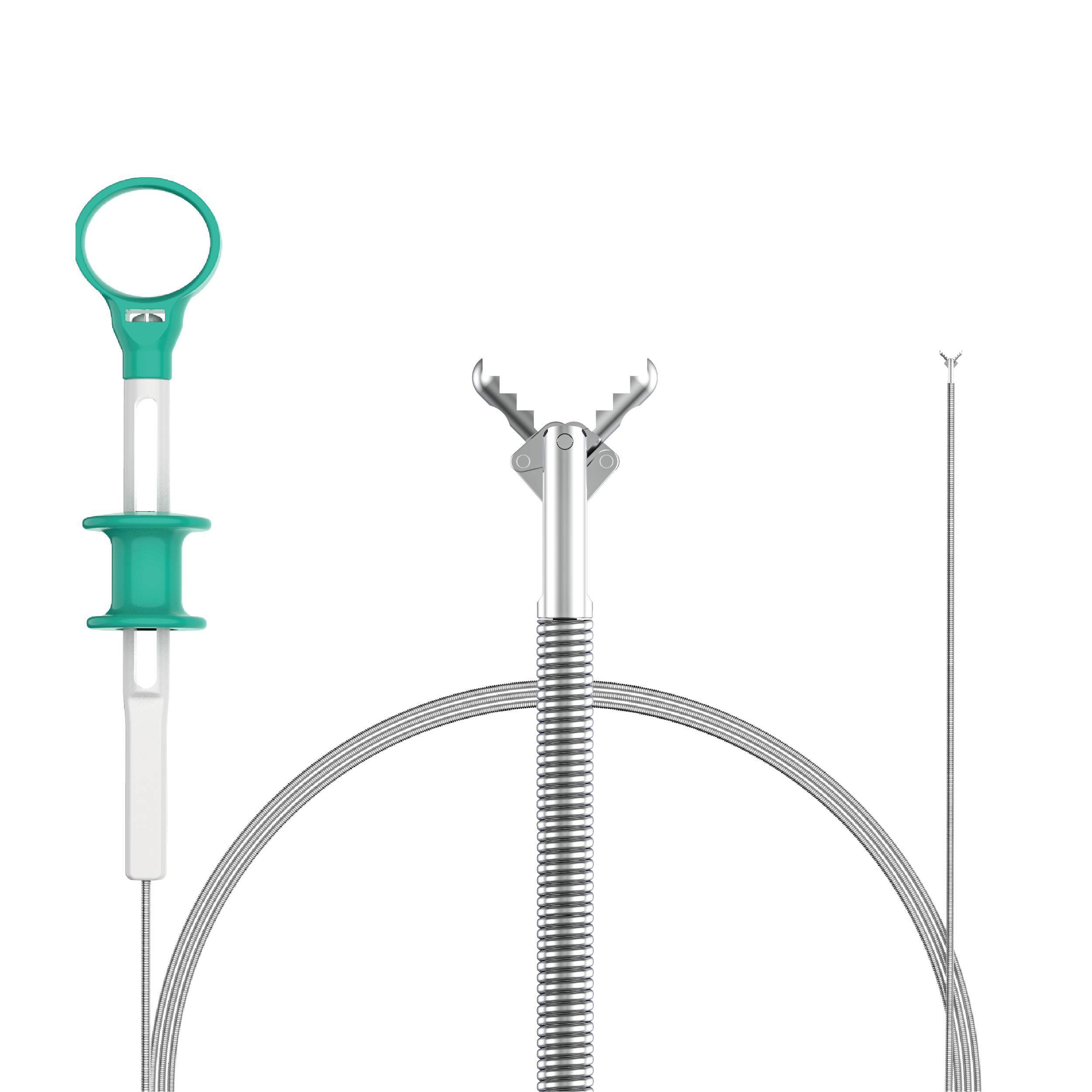
Disposable biopsy forceps(Uncoated,without spike,Alligator)
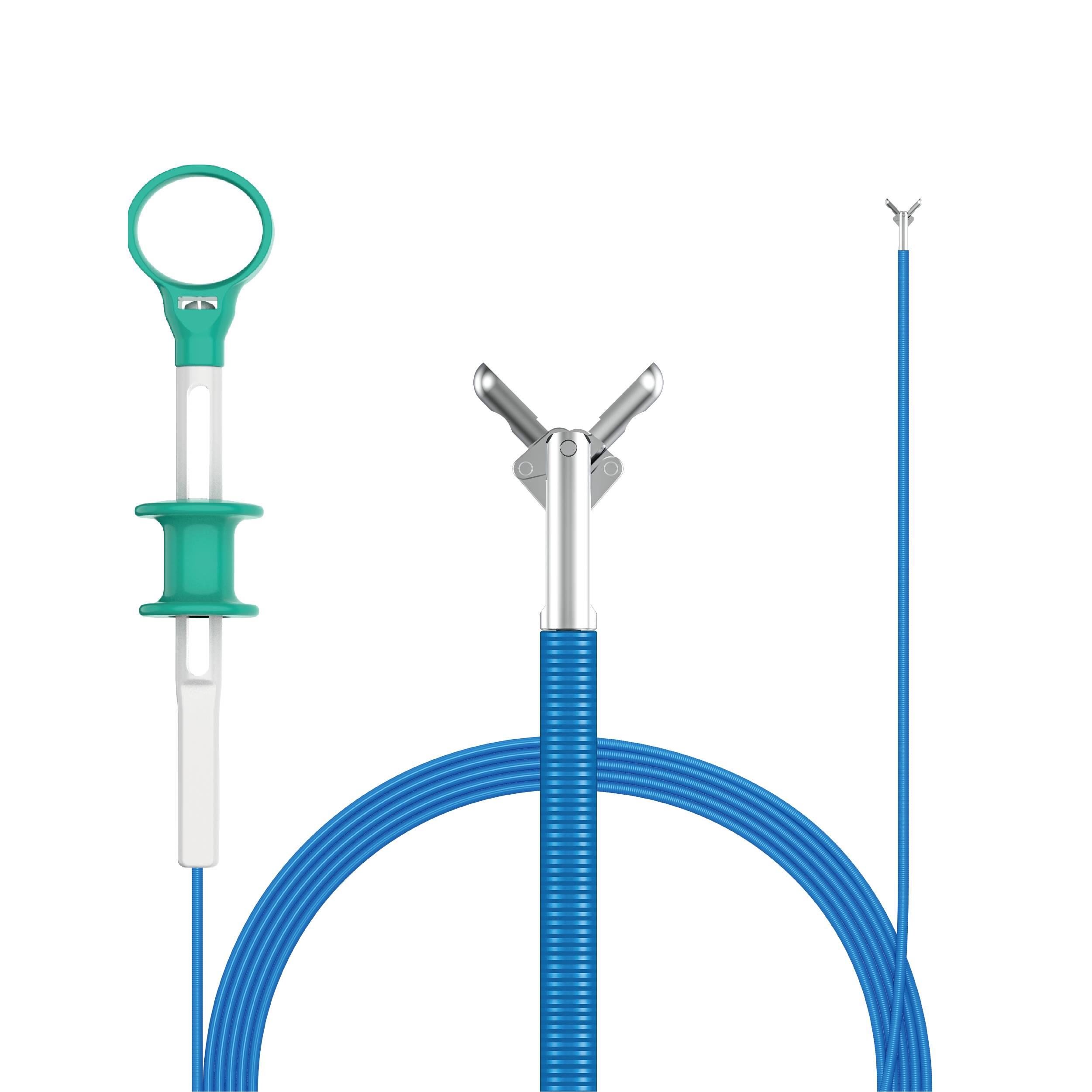
Disposable biopsy forceps(Coated,without spike,Oval)
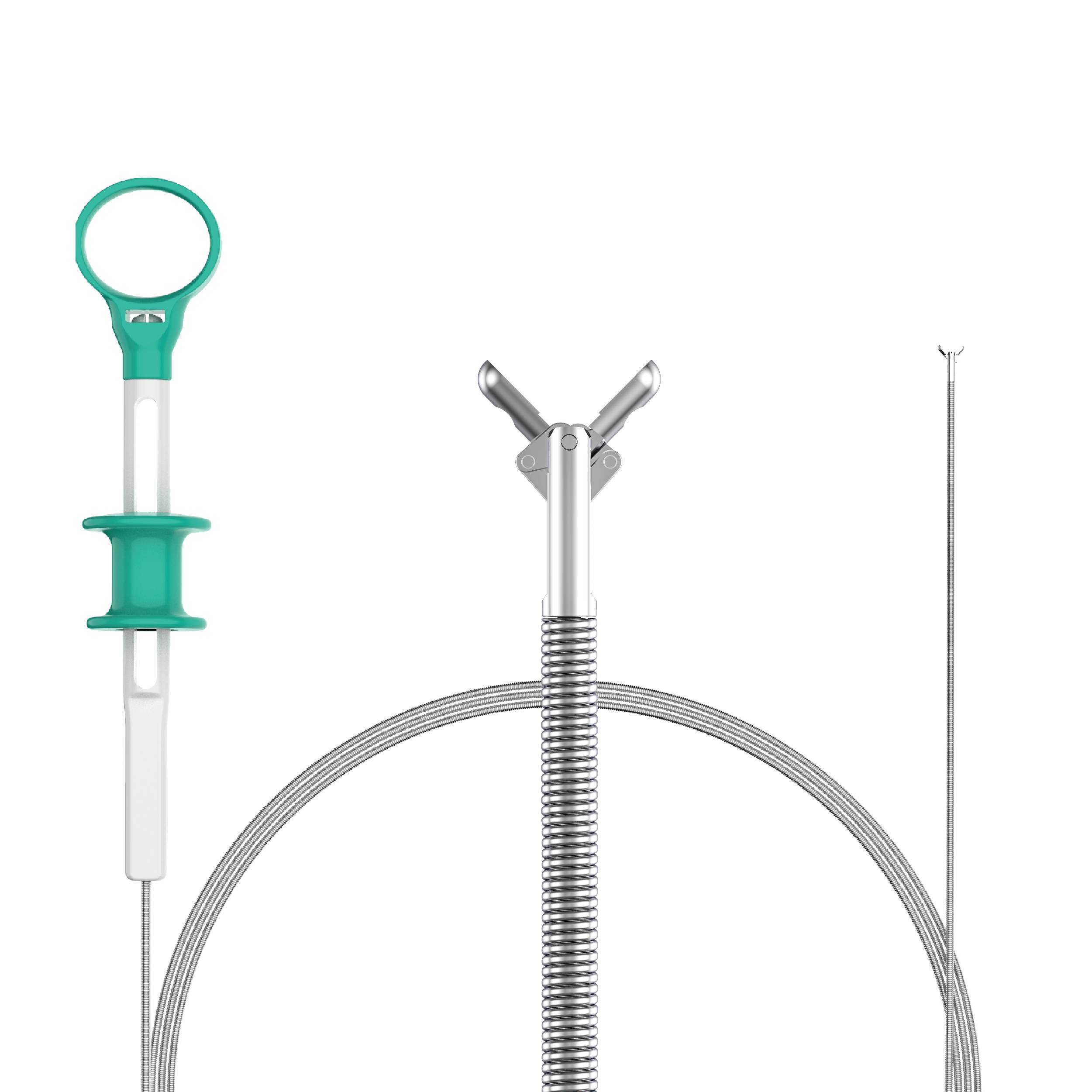
Disposable biopsy forceps(Uncoated,without spike,Oval)
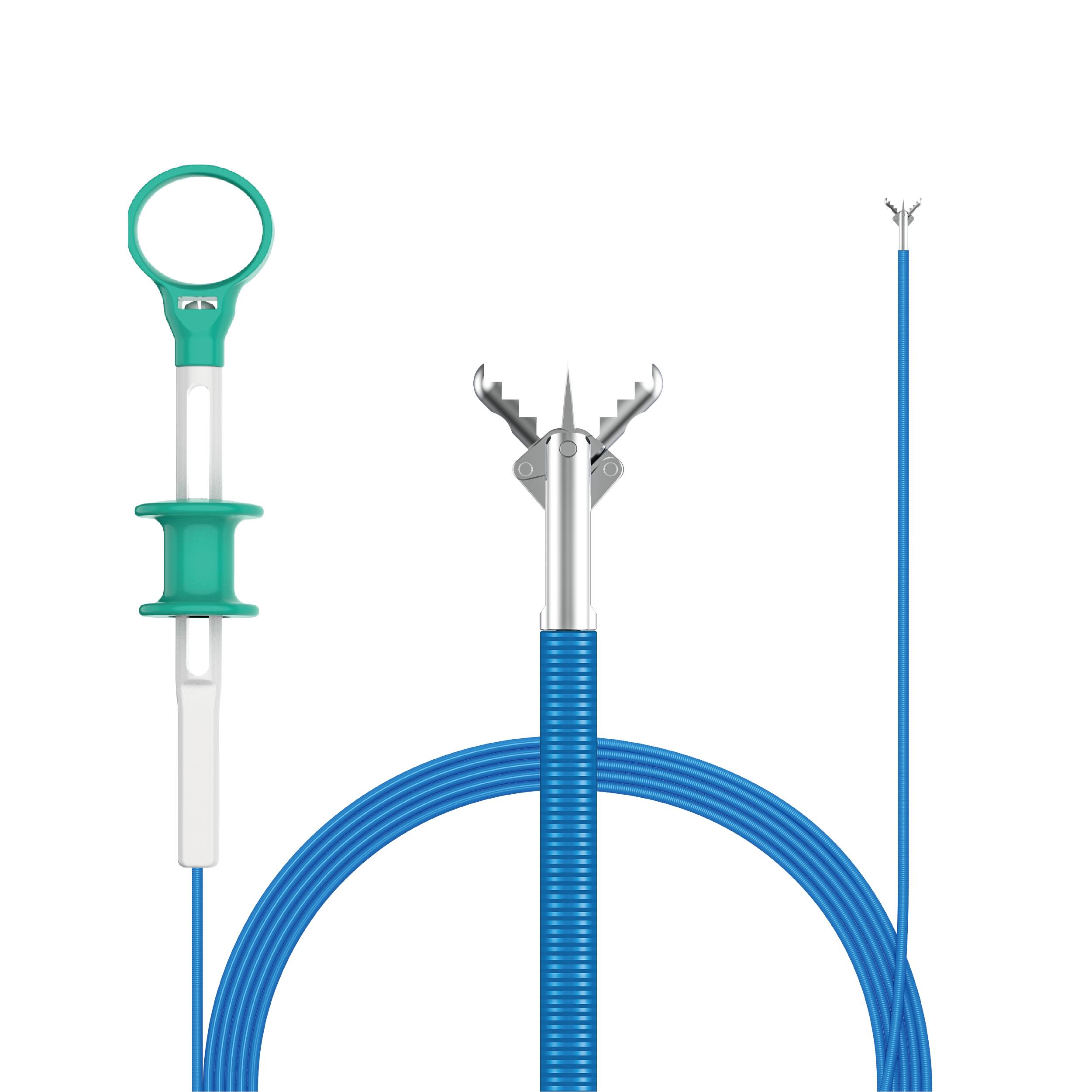
Disposable biopsy forceps(Coated,with spike,Alligator)
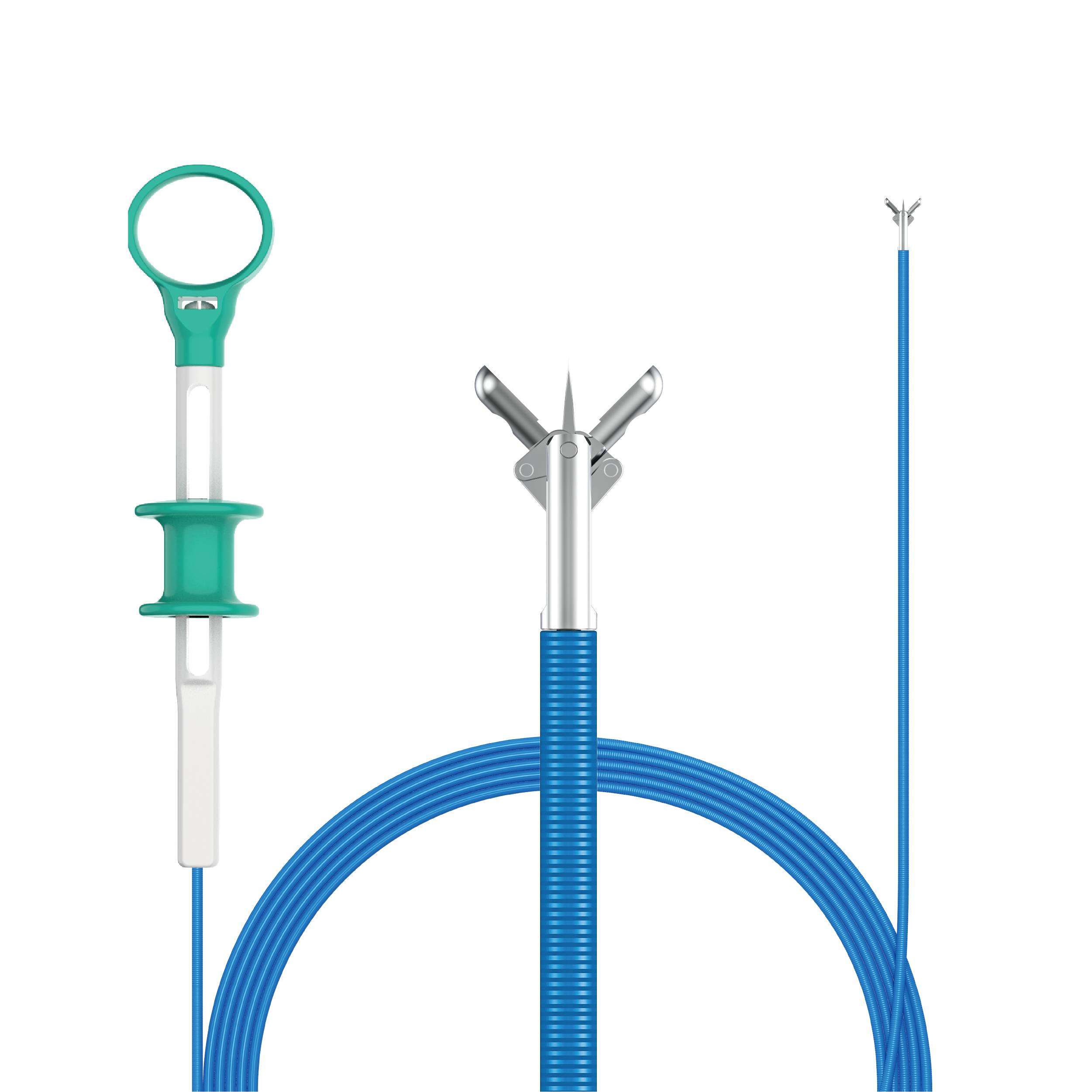
Disposable biopsy forceps(Coated,with spike,Oval)
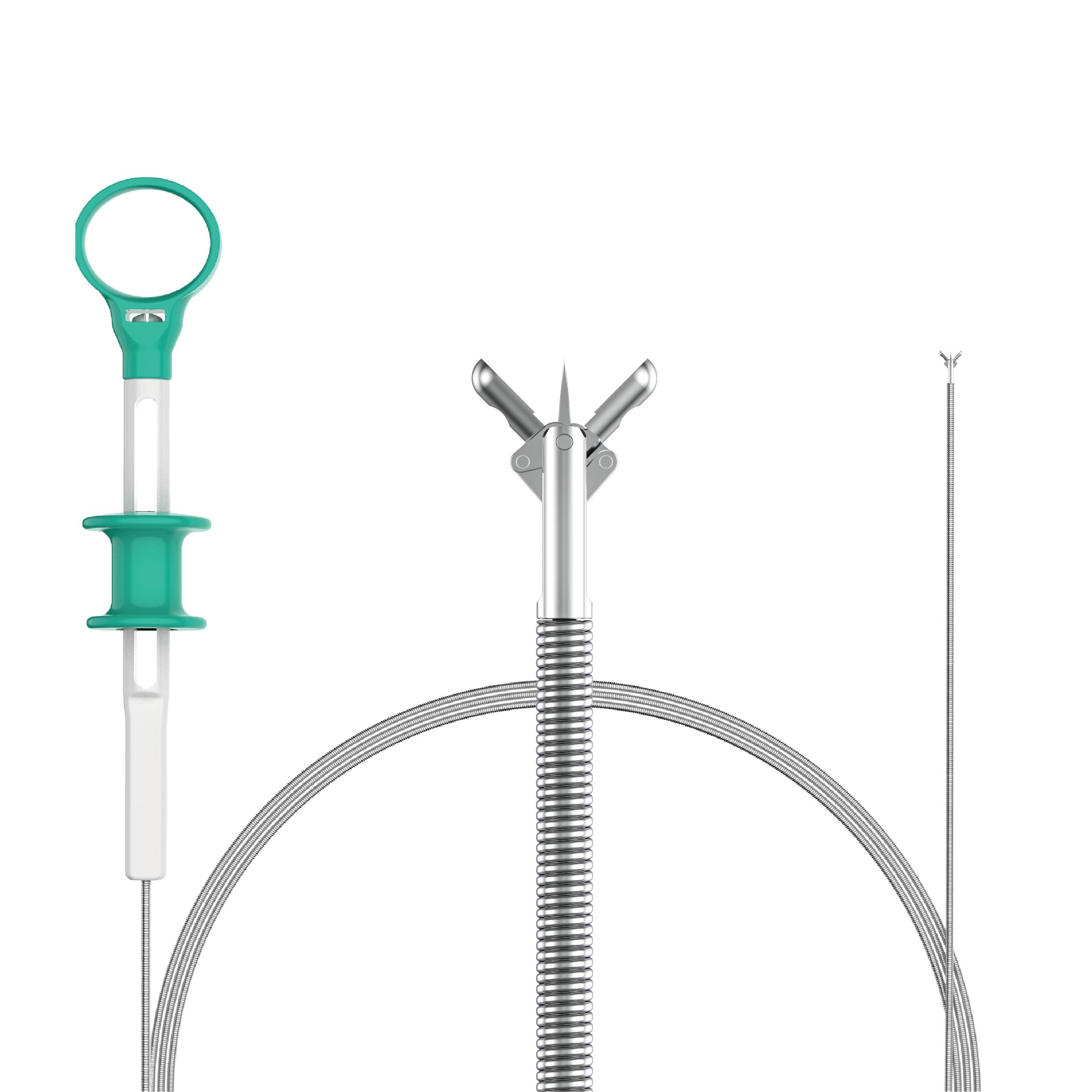
Disposable biopsy forceps(Uncoated,with spike,Oval)
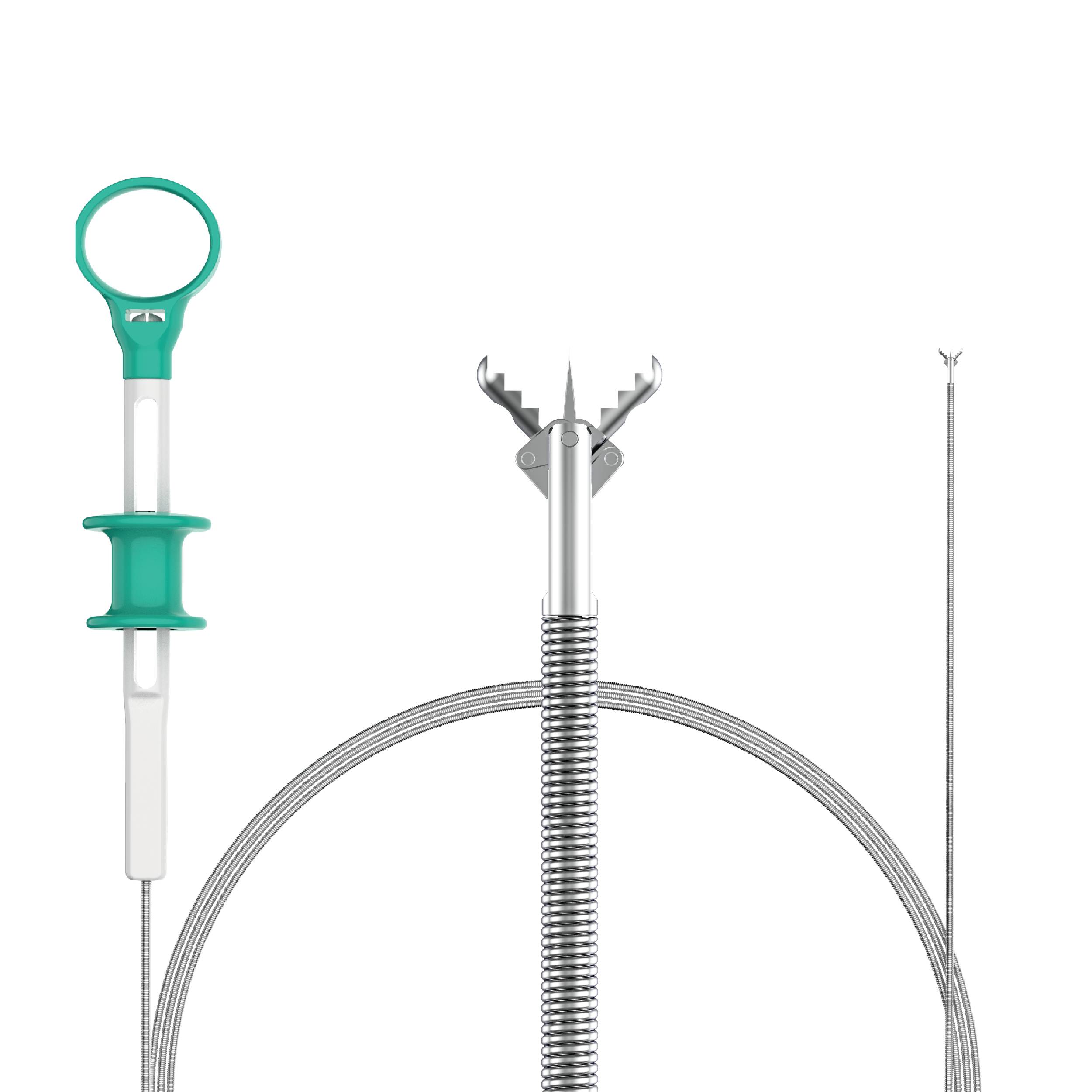
Disposable biopsy forceps(Uncoated,with spike,Alligator)