 About Us">
 Enterprise Dynamics">





 Jan 14, 2026
 View:3346
At the most basic level, biopsy forceps for endoscopy are small, specialized medical instruments used to collect tissue samples from inside the body during an endoscopic procedure.
These biopsy forceps are passed through the working channel of an endoscope—a long, flexible tube with a camera and light—allowing doctors to pinch and retrieve tiny pieces of tissue from organs like the stomach, colon, esophagus, lungs, or bile ducts.
In simple terms, endoscopic biopsy forceps act like miniature precision tweezers, designed to work deep inside the body without open surgery.

Why Are Endoscopic Biopsy Forceps So Important?
Here is the key thing to understand: many diseases cannot be diagnosed by sight alone.
A doctor may see inflammation, ulcers, polyps, or abnormal tissue during an endoscopy—but to know what is really happening at a cellular level, they need a biopsy.
That biopsy:
Helps detect cancer
Confirms infections
Identifies inflammatory diseases
Guides treatment decisions
Without endoscopic biopsy forceps, doctors would be guessing instead of diagnosing. And in medicine, guessing is never good enough.
How Do Endoscopic Biopsy Forceps Work?
The process is surprisingly elegant.
Here is how it typically happens:
The endoscope is inserted into the body.
The doctor identifies an area of concern on the video monitor.
Endoscopic biopsy forceps are guided through the endoscope’s working channel.
The forceps open, gently grasp tissue, and close.
The tissue sample is withdrawn for laboratory analysis.
It is quick, controlled, and usually painless for the patient.
Think of it like using chopsticks through a long tunnel—except the chopsticks are engineered for surgical precision.
Main Components of Endoscopic Biopsy Forceps
Although they look simple, these instruments are carefully engineered. Each part has a purpose.
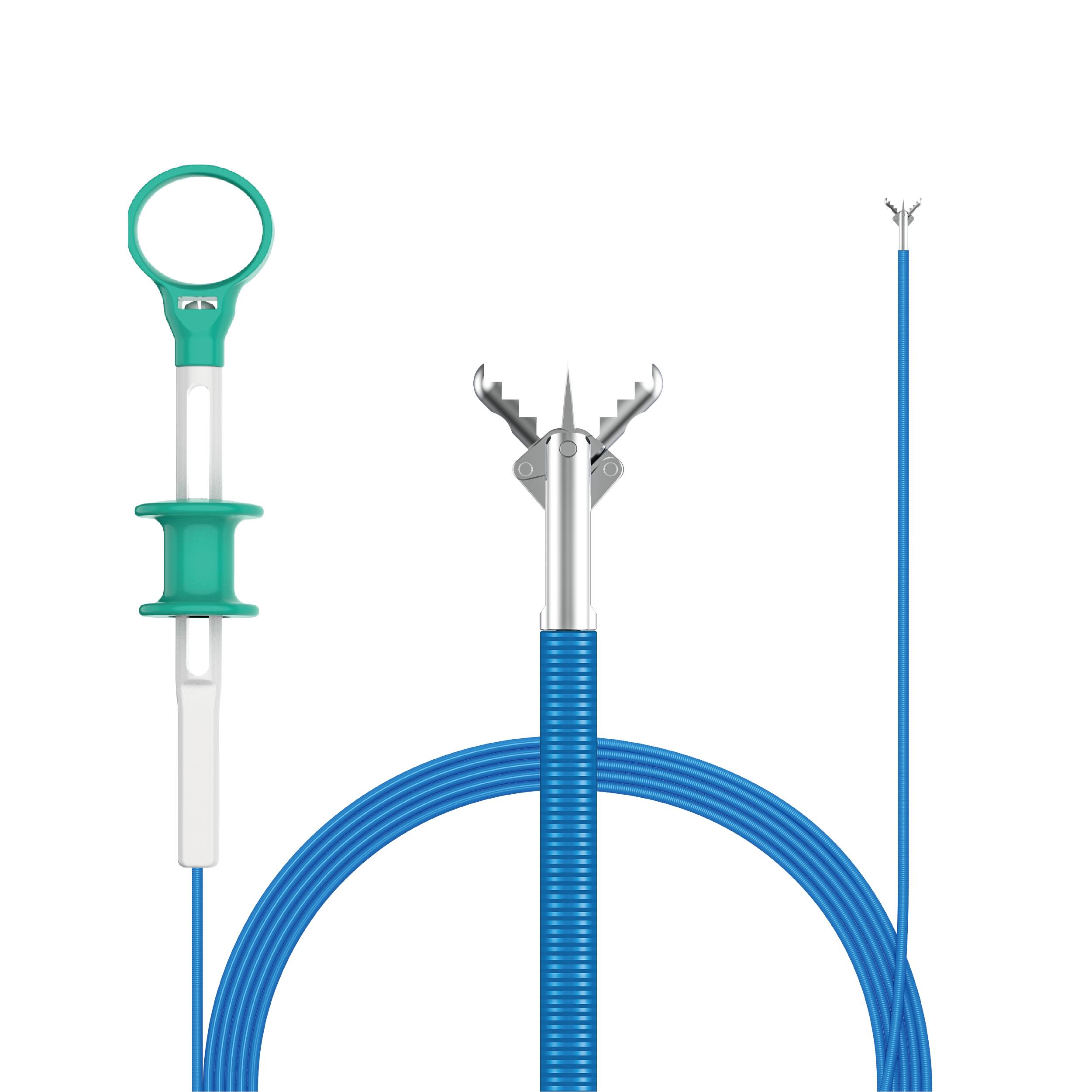
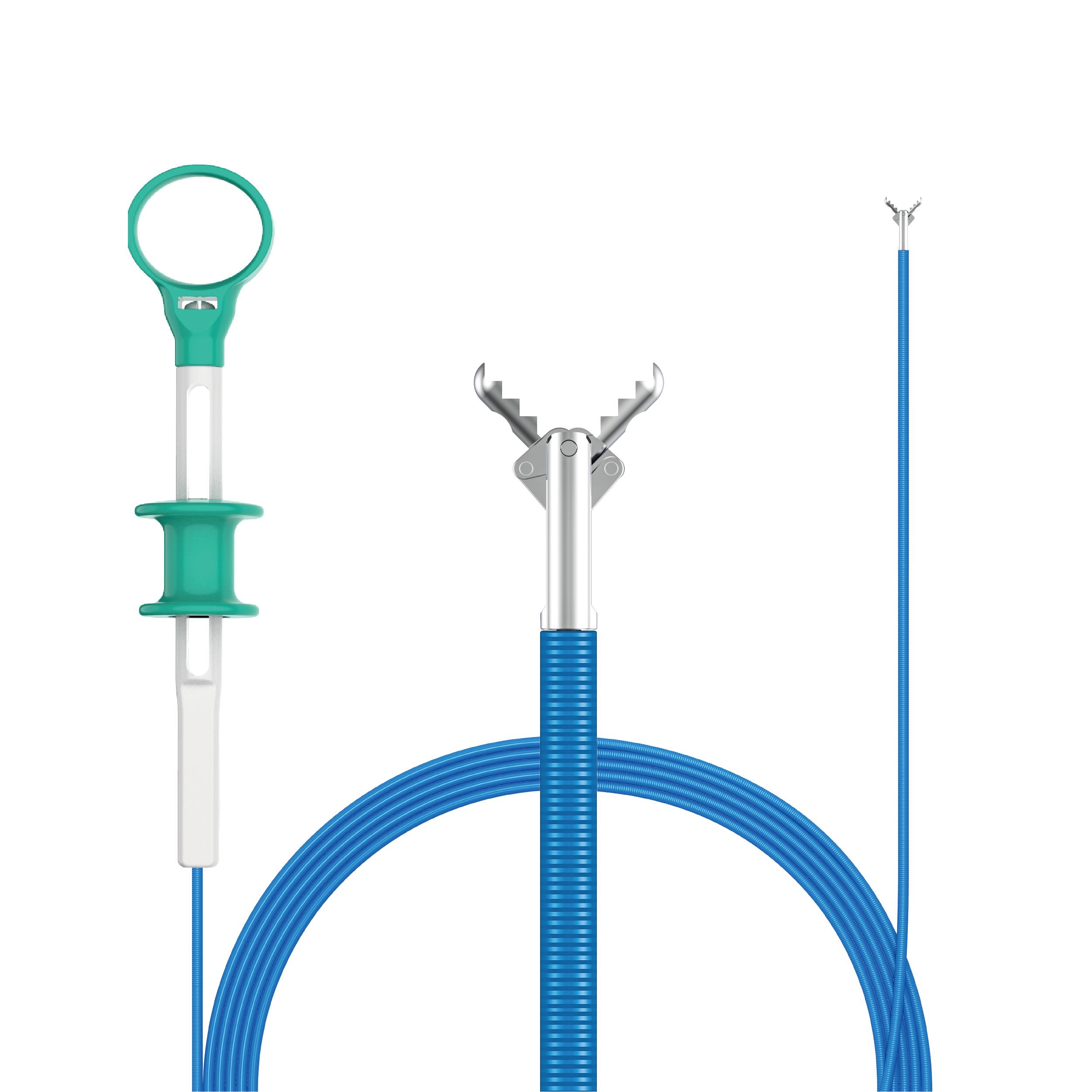
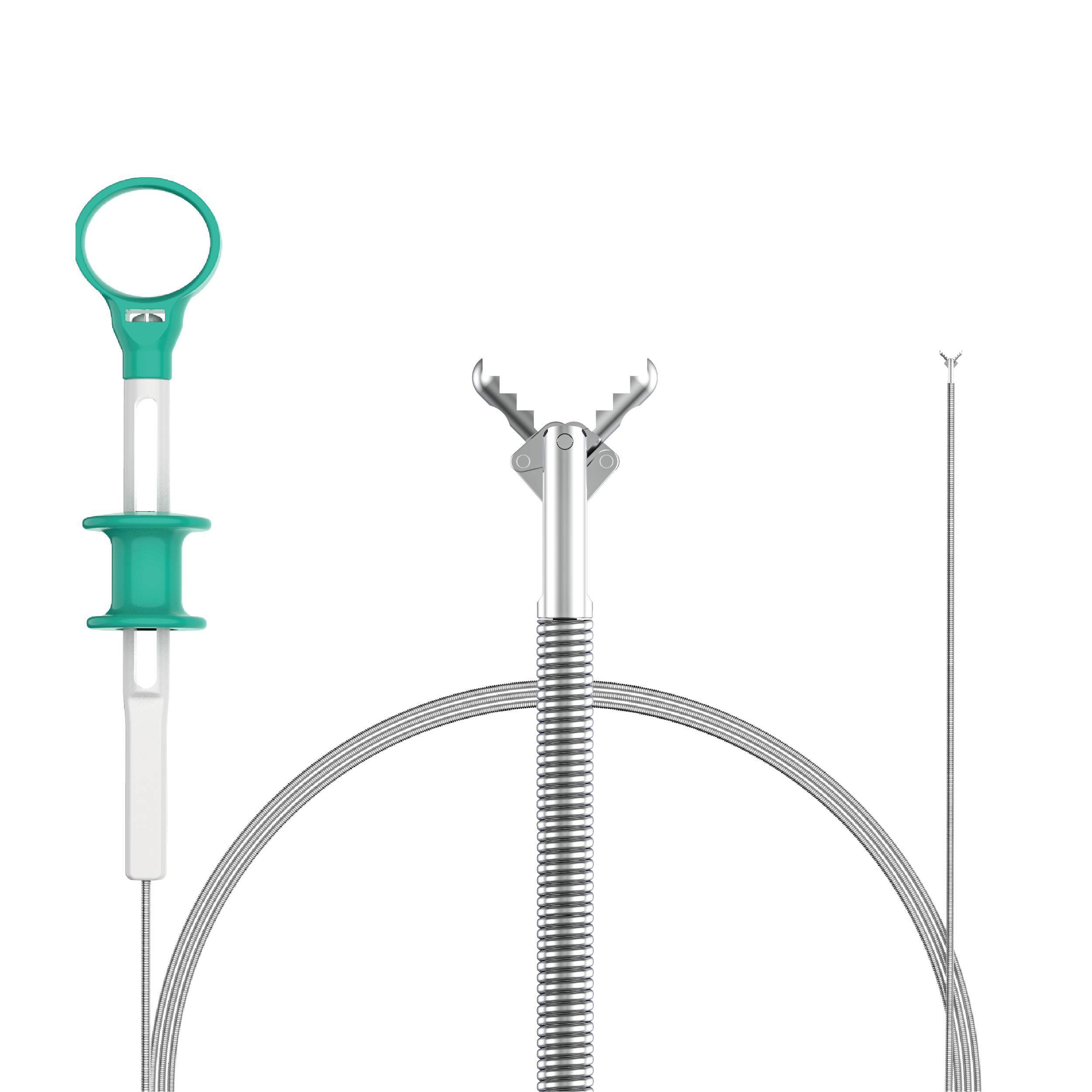
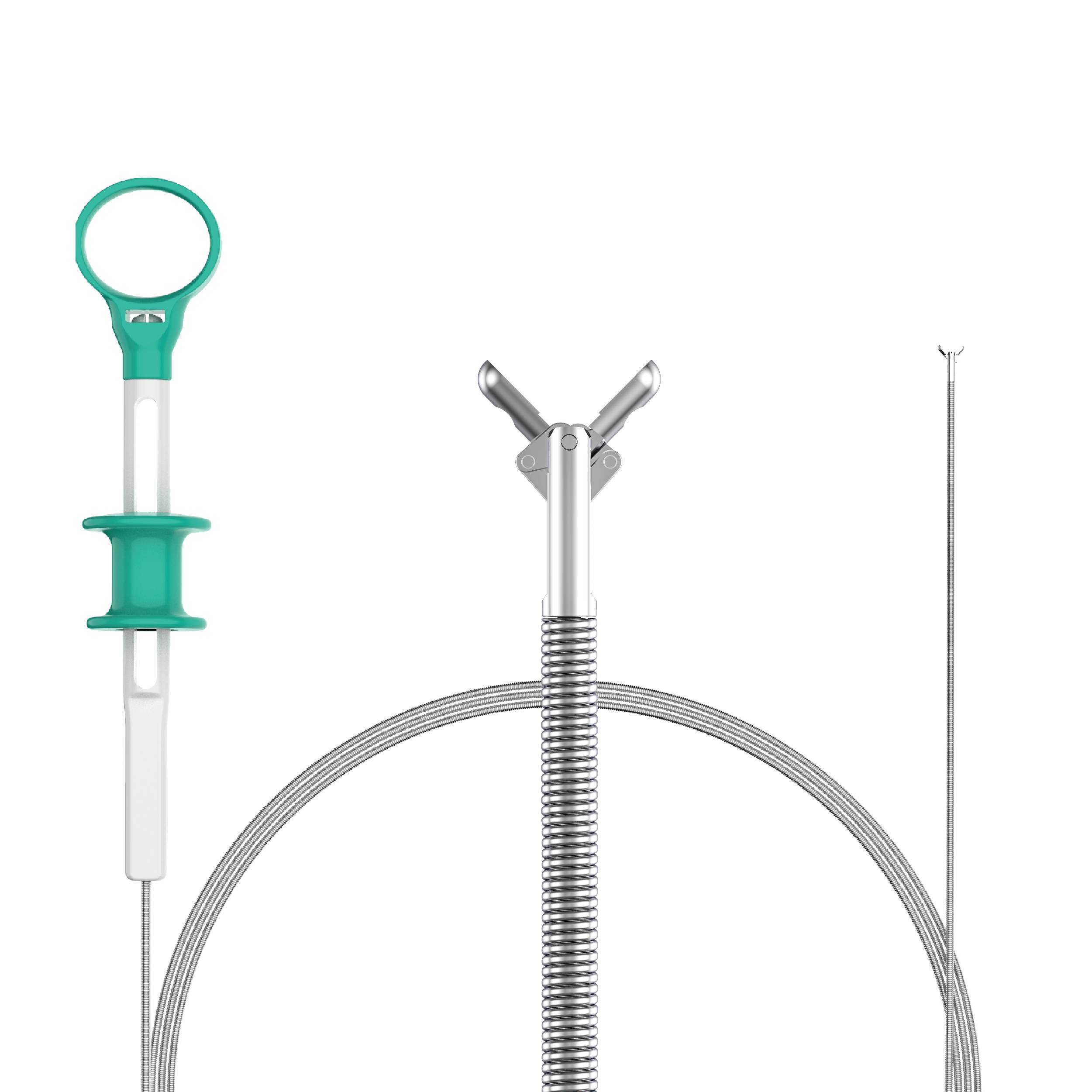
Jaws (Cups)
The jaws are the business end of the forceps. They:
Open and close to grab tissue
Come in different shapes and sizes
May include spikes or needles for better grip
The jaw design directly affects sample quality.
Shaft
The shaft is long and flexible enough to navigate the endoscope channel but strong enough to transmit precise movements.
Lengths vary depending on:
Upper GI endoscopy
Colonoscopy
Bronchoscopy
Handle
The handle allows the physician to:
Control jaw opening and closing
Apply the right amount of pressure
Maintain tactile feedback
It is all about control, not force.
Types of Endoscopic Biopsy Forceps
Not all biopsy forceps are the same. Different clinical needs require different designs.
Standard Biopsy Forceps
These are the most commonly used endoscopic biopsy forceps.
Best for:
Routine tissue sampling
Gastrointestinal procedures
They are reliable, versatile, and widely available.
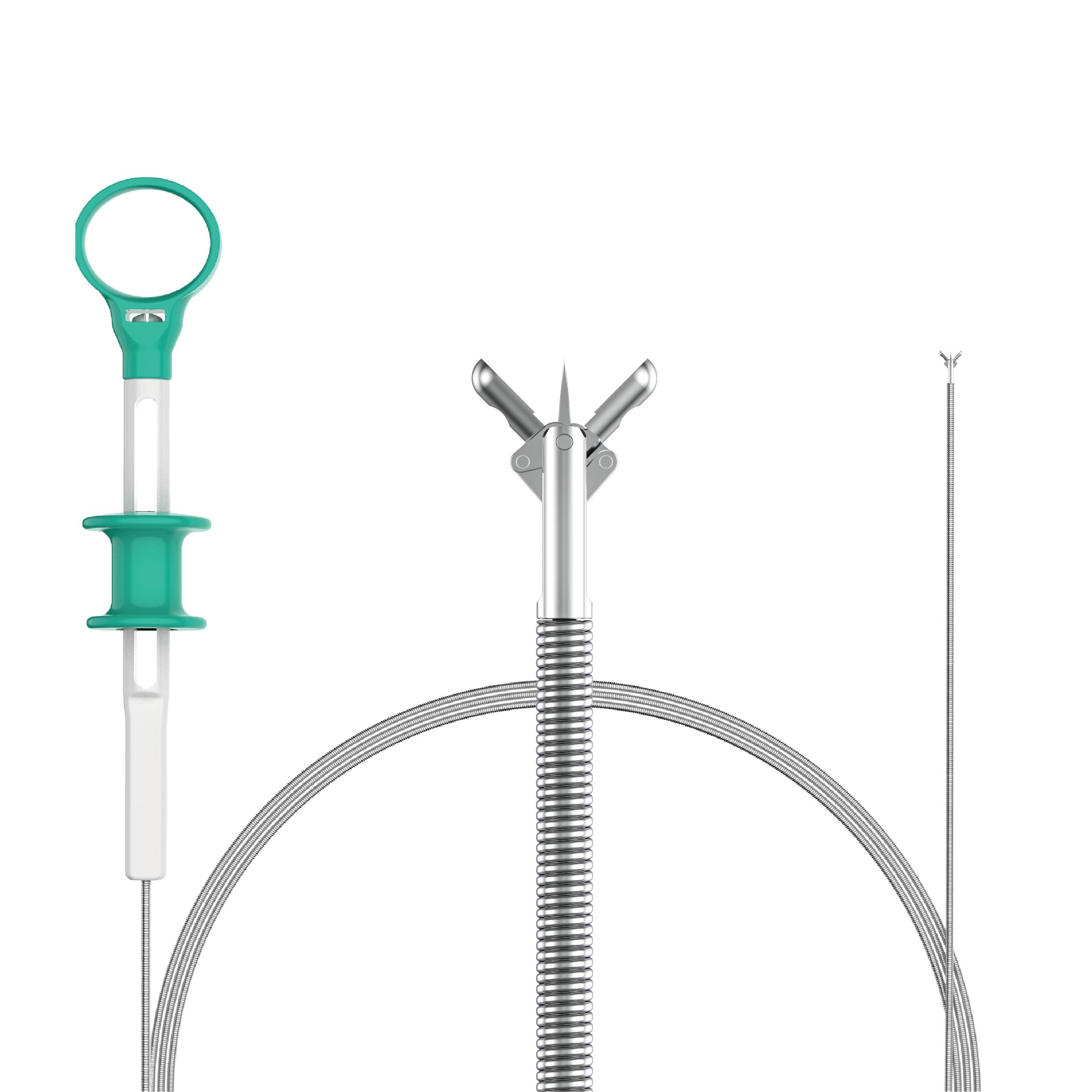
Biopsy Forceps with Needle or Spike
These forceps include a small central spike between the jaws.
Why does this matter?
Improves tissue retention
Reduces sample loss
Ensures deeper, more consistent biopsies
They are especially useful for slippery or soft tissues.
Large-Capacity Biopsy Forceps
As the name suggests, these forceps collect larger tissue samples.
Ideal for:
Suspected malignancies
Conditions requiring deeper histological analysis
More tissue often means more accurate diagnosis.
Alligator Jaw Biopsy Forceps
These feature a jaw design that opens wider, resembling an alligator’s mouth.
Commonly used in:
Bronchoscopy
ENT procedures
They provide a firm grip on tougher tissues.
Disposable vs Reusable Endoscopic Biopsy Forceps
This is a big decision for hospitals and clinics.
Disposable Endoscopic Biopsy Forceps
Advantages:
No reprocessing required
Reduced infection risk
Consistent performance
Disadvantages:
Higher long-term cost
Environmental impact
They are often preferred in high-volume or infection-sensitive settings.
Reusable Endoscopic Biopsy Forceps
Advantages:
Cost-effective over time
Durable construction
Disadvantages:
Requires proper cleaning and sterilization
Risk of wear affecting performance
Many facilities still rely on reusable forceps with strict reprocessing protocols.
Materials Used in Endoscopic Biopsy Forceps
Material choice directly affects performance and safety.
Most endoscopic biopsy forceps are made from:
Medical-grade stainless steel
High-performance alloys
These materials provide:
Corrosion resistance
Strength and flexibility
Compatibility with sterilization processes
Clinical Applications of Endoscopic Biopsy Forceps
These instruments are used across multiple specialties.
Gastroenterology
This is where endoscopic biopsy forceps shine the brightest.
Used during:
Gastroscopy
Colonoscopy
Sigmoidoscopy
They help diagnose:
Gastritis
Ulcers
Colorectal cancer
Inflammatory bowel disease
Pulmonology
During bronchoscopy, biopsy forceps collect tissue from:
Lungs
Bronchial walls
This is critical for diagnosing:
Lung cancer
Infections
Interstitial lung diseases
Urology
In procedures like ureteroscopy, forceps assist in sampling:
Urinary tract lesions
Suspected tumors
ENT and Otolaryngology
Used to biopsy:
Nasal passages
Sinuses
Throat lesions
Precision is essential in these delicate areas.
Are Endoscopic Biopsy Forceps Safe?
This is a common and reasonable concern.
The short answer: yes, they are very safe when used correctly.
Modern endoscopic biopsy forceps are designed to:
Minimize trauma
Reduce bleeding
Ensure controlled tissue sampling
Complications are rare and usually minor, such as slight bleeding that resolves on its own.
Accuracy: Why Sample Quality Matters
A biopsy is only as good as the sample collected.
High-quality endoscopic biopsy forceps:
Capture intact tissue architecture
Avoid crushing or tearing samples
Improve diagnostic accuracy
Better samples lead to better decisions—and better outcomes.
How Doctors Choose the Right Endoscopic Biopsy Forceps
Selection is not random. Physicians consider:
Procedure type
Target tissue location
Required sample size
Patient safety
Using the wrong forceps is like using a butter knife instead of a scalpel—it works, but not well.
Endoscopic Biopsy Forceps vs Other Sampling Tools
Forceps are not the only option, but they are often the best.
Compared to:
Brush cytology tools
Fine needle aspiration
Biopsy forceps provide:
Solid tissue samples
Better histological detail
That is why they remain the gold standard.
Technological Advancements in Endoscopic Biopsy Forceps
Innovation has not stopped.
Modern designs now feature:
Improved jaw geometry
Enhanced flexibility
Stronger tissue grip
Some even integrate with advanced imaging systems for more targeted biopsies.
Common Mistakes to Avoid When Using Biopsy Forceps
Even the best tool can fail if misused.
Common issues include:
Applying too much force
Using worn or damaged forceps
Selecting the wrong jaw type
Proper training and inspection are essential.
Maintenance and Handling of Reusable Endoscopic Biopsy Forceps
For reusable forceps, care matters.
Best practices include:
Immediate cleaning after use
Thorough sterilization
Regular performance checks
Neglecting maintenance compromises both safety and accuracy.
Cost Considerations
Yes, endoscopic biopsy forceps vary in price.
Factors affecting cost:
Disposable vs reusable
Jaw design
Manufacturer quality
However, cost should never outweigh reliability and patient safety.
The Future of Endoscopic Biopsy Forceps
As endoscopy becomes more advanced, biopsy tools will follow.
Expect to see:
Smarter designs
Enhanced precision
Better integration with AI-assisted diagnostics
The goal is simple: faster, safer, and more accurate diagnosis.
Final Thoughts: Why Endoscopic Biopsy Forceps Matter
Endoscopic biopsy forceps allow doctors to look beyond the surface, uncover hidden diseases, and make informed treatment decisions—all without major surgery.
Whether you are a healthcare professional, a medical buyer, or a curious patient, understanding these instruments helps you appreciate how modern diagnostics truly work—quietly, efficiently, and remarkably well.