 About Us">
 Enterprise Dynamics">




Disposable Injection Needle: Uses, Types and How It Works
 Nov 26, 2026|
 View:5
A Disposable Injection Needle covers several designs that share one idea: a hollow tip carries fluid into a target site and is discarded after one procedure. Hypodermic, insulin, dental and endoscopic versions differ in access route and control method. This guide separates those categories and explains the features that matter in selection.
Quick Answer: What Is a Disposable Injection Needle? It is a single-use assembly with a hollow needle, fluid path and handling interface. In gastrointestinal endoscopy, the needle passes through the scope working channel so solution can be delivered into the submucosa or a varix under direct visualization.

Key Takeaways
Single use, a hollow fluid path and a matched tip define the device category.
Endoscopic designs add a sheath and handle for deployment through a scope channel.
Reported uses include variceal and submucosal injection, subject to cleared indications.
Buyers compare gauge, working length, tip shape, visibility and documentation.
Conventional and endoscopic injection needles are not interchangeable.
What Is a Disposable Injection Needle?
The term describes a needle assembly intended for one procedure. A sharp hollow tip creates a controlled path and a connected tube carries solution into tissue. Categories differ in access route, length and how the tip is exposed. A hypodermic needle is used through the skin, an insulin needle is short and fine, a dental needle delivers local anesthetic, and an endoscopic version is built around the limits of a flexible scope.
The single-use format shifts infection control away from device reprocessing and toward supply planning. It also supports traceability when lot numbers are recorded at point of use. However, the term disposable does not by itself define performance. A buyer still needs the device drawing, intended use statement and instructions for use, because a short subcutaneous needle and a long scope-compatible catheter solve very different access problems.
The Basic Structure of the Device
Common parts include the needle, needle shaft, needle tip, catheter, protective sheath and handle. The catheter is the flexible tube that carries fluid; the sheath covers the tip during insertion and withdrawal; the handle controls advance and retraction. Published needle specifications translate these functions into gauge, diameter and working length.
How Does a Disposable Injection Needle Work?
All versions connect a fluid source to a hollow channel. Pressure moves solution through the lumen and out of the tip, after which the device is discarded.
Basic Working Principle of an Injection Needle
Three steps apply: the tip enters the target, fluid passes through the lumen, and the needle is withdrawn. The proximal connector attaches to a syringe or delivery line. Fluid moves because pressure at the proximal end exceeds pressure at the tip. Needle bore, tube length and solution viscosity all influence flow, which is why a transparent line can help the operator detect air, resistance or unexpected backflow. A general endoscopy overview explains how scopes reach internal organs, and a description of tools passed through a scope notes that injection can be performed this way.
How Does an Endoscopic Disposable Injection Needle Work?
The assembly enters the working channel with the tip covered. The scope is positioned near the target, the needle is extended under visualization, solution is delivered, and the tip is retracted before the scope is removed. Retraction protects the channel and reduces the chance that an exposed tip catches on the channel wall. The operator checks the handle position and fluid path for residual pressure before disconnection. Unlike a hand-held needle, an endoscopic device must stay controlled inside a long curved channel. That is why sheath behavior, catheter flexibility and visible blood return are functional features.
What Are Disposable Injection Needles Used For?
Uses depend on the device and its documented indications.
Endoscopic Injection for Esophageal and Gastric Varices
Injection sclerotherapy delivers an agent into or near a dilated vein under direct view. Selection considers gauge, needle length and catheter stability once the scope is bent. Clinical protocols vary by region and by patient presentation, and endoscopic treatment may be combined with pharmacological or radiological approaches. The device is one part of that plan.
Endoscopic Submucosal Injection
A lifting solution is placed beneath the mucosa to support selected resection workflows. Solution choice and volume are clinical decisions; the device delivers fluid at a controlled depth. A stable cushion depends on technique and solution properties. Too shallow an injection may fail to lift the lesion, while an overly deep injection may spread fluid away from the target plane. Needle extension and tip control influence placement.
Other Clinical Applications
Some literature mentions injection after biopsy or polypectomy. Claims should be checked against instructions for use. Buyers often review the wider endoscopy accessories range because injection needles are used with snares and forceps. A patient description of upper endoscopy illustrates access to the esophagus and stomach.
What Are the Key Components of an Endoscopic Injection Needle?
Technical evaluation focuses on how the parts work together.
Stainless Steel Needle Tip
Precision-ground stainless steel is common. A diamond-shaped, double-edged tip is intended to support smooth puncture, although outcomes also depend on tissue and technique. Tip grinding affects consistency across repeated cases. A burr or irregular edge can increase drag in tissue, so visual inspection and manufacturing controls belong in quality review.
Transparent PTFE Catheter
PTFE is a low-friction fluoropolymer. A transparent tube lets the operator see blood return or fluid movement while balancing flexibility with push control. Rigidity matters as well. The tube must transmit force from the handle without kinking, yet follow the curvature of the scope. Material choice is therefore a compromise between column strength, friction and visual clarity.
Protective Sheath and Secondary Sheathing Design
The sheath covers the tip in the channel and after injection. A secondary design is described by some makers as reducing repeat contact with the vessel wall; the claim should be verified in the technical file. During withdrawal, a retracted tip is less likely to scrape the channel lining. Buyers can request images showing the needle in extended and retracted states.
Handle and Control Mechanism
The proximal handle advances and retracts the needle. Reviewers should confirm lock behavior and connector compatibility from drawings rather than assuming a standard layout. A secure grip is useful when one person controls both the scope and the injection device. The syringe interface should match equipment already used in the department.
Disposable Injection Needle vs Reusable Injection Needle
A single-use device is replenished after each procedure. A reusable device, where labeling allows, needs validated cleaning, inspection and sterilization. The choice involves infection control workflow, reprocessing capacity, tracing and total cost, not unit price alone.
How to Choose the Right Disposable Endoscopic Injection Needle?
Start with the procedure and scope, then move to configuration and documents.
Needle Gauge and Diameter
Gauge indicates approximate diameter; a higher number generally means a smaller needle. A 23G option appears in published tables, but selection should reflect solution, tissue and operator preference. A smaller diameter may reduce tissue trauma yet change flow for viscous solutions. A larger gauge may allow faster delivery but may not suit delicate tissue.
Needle Length and Working Channel Compatibility
Check working length, catheter outer diameter and needle extension together. Published listings show 1200, 1600, 1800 and 2300 mm working lengths, 1.8 or 2.3 mm outer tubes and 4, 5 or 6 mm extensions.
Needle Tip Design
Diamond and double-edged describe categories rather than one geometry. Request drawings or magnified images before drawing conclusions about penetration behavior.
Catheter Flexibility and Visibility
An overly stiff catheter raises friction in a curved scope; an overly soft one reduces push control. Transparency supports visual checks. Scope diameter and insertion route influence the choice, so a device used in the upper tract may be evaluated differently from one used in the colon. An illustrated guide to endoscopic injection needles helps frame these questions.
Sterility, Packaging and Regulatory Compliance
Request sterilization method, sterility documents, packaging data, shelf life, instructions, traceability and destination-market files. These details cannot be inferred from a photograph.
Disposable Endoscopic Injection Needle Specifications and Features
Published data for this family list an ATE-ZSZ series, 21G, 23G and 25G options, transparent tubing, a diamond double-edged tip and a secondary sheath. The table below reproduces four published models as manufacturer stated data. Buyers should request the current catalog before ordering.
Why Choose a Reliable Disposable Injection Needle Manufacturer?
Evaluation usually covers manufacturing controls, dimensional inspection, needle processing, specification breadth, regulatory files and customization where available. A supplier should support each area with documents rather than general claims.
Three tables summarize categories, single-use comparisons and published model data.
| Needle Type | Primary Application | Access Route |
|---|---|---|
| Hypodermic Injection Needle | Subcutaneous, intramuscular or intravenous injections | Direct percutaneous injection |
| Insulin Injection Needle | Insulin administration | Short subcutaneous injection |
| Dental Injection Needle | Local anesthetic delivery in dental procedures | Intraoral injection |
| Endoscopic Injection Needle | Injection into gastrointestinal tissues during endoscopy | Through the scope working channel |
| Comparison Factor | Single Use Format | Reusable Format |
|---|---|---|
| Usage | One procedure as labeled | Reuse only if designed and validated |
| Reprocessing | No reprocessing for reuse | Validated cleaning and sterilization required |
| Cross-contamination management | No reuse of the same device between patients | Depends on validated reprocessing |
| Maintenance | No reuse maintenance | Inspection and lifecycle tracking required |
| Procurement pattern | Ongoing replenishment | Reprocessing cost management |
| Disposable Injection Needle Model | Working Length | Needle Gauge | Needle Length |
|---|---|---|---|
| ATE-ZSZ-23X1200X21X4 | 1200 mm | 23G | 4 mm |
| ATE-ZSZ-23X1800X21X6 | 1800 mm | 23G | 6 mm |
| ATE-ZSZ-23X1600X23X5 | 1600 mm | 23G | 5 mm |
| ATE-ZSZ-23X2300X23X5 | 2300 mm | 23G | 5 mm |
A representative listing is shown for visual reference.
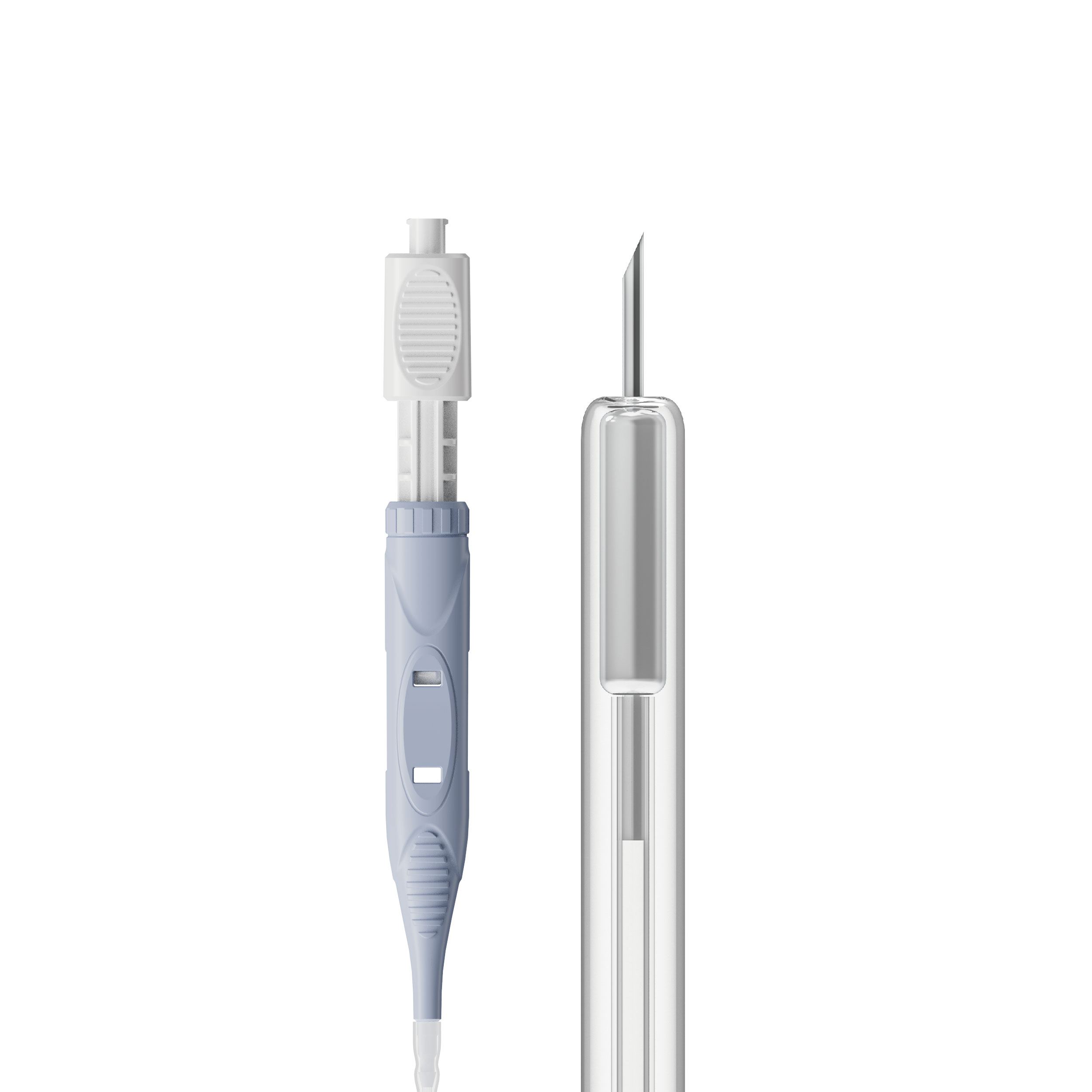
Injection Needle for Endoscopy
Used with endoscopy for variceal treatment and submucosal injection in the digestive tract.
View ProductProcurement decisions combine clinical needs with document review. The tables separate general categories from model data, while earlier sections explain why gauge, length, sheath behavior and visibility are assessed together. Teams needing a broader view can compare related devices before requesting a quotation.
Conclusion
A Disposable Injection Needle is understood by category. Conventional needles deliver injections through the skin, while endoscopic designs add a sheath, catheter and handle so the tip can be deployed through a scope. Clinical use depends on cleared indications, and selection should follow gauge, length, tip design, visibility and documents rather than name alone.
FAQ
What is a disposable injection needle used for?
It is designed for single-use fluid delivery. Depending on design, it can support subcutaneous, intramuscular, intravenous or endoscopic injections. An endoscopic version works with a scope, allowing solution to be delivered into a targeted gastrointestinal site while the area is visible on a monitor. Exact indications vary by model and market, so the instructions for use remain the controlling document.
How does an endoscopic injection needle work?
It passes through the endoscope working channel with the tip covered. Near the target, the needle extends from the sheath and solution passes through the lumen. The tip is retracted before the device leaves the channel, and the handle position shows whether the tip is covered or extended.
What is the difference between a regular injection needle and an endoscopic injection needle?
A regular needle is exposed before use and controlled by hand. An endoscopic needle stays covered in a long scope channel, then deploys under visualization. It therefore needs a sheath, flexible catheter and proximal control. Sterility and single use are separate requirements from channel compatibility.
What does 23G mean in an injection needle?
23G is a gauge size indicating approximate needle diameter. A higher gauge number generally means a smaller diameter. Selection should also consider needle length, working length, scope compatibility and the intended clinical application. A catalog table shows the combinations offered for a given product family.
Why are transparent catheters used in endoscopic injection needles?
Transparency lets the operator see fluid movement and blood return, which can help confirm tip position. The same view can reveal air in the line. The material must also flex with the scope while providing enough column strength for controlled advancement.
What should buyers look for in an injection needle supplier?
Review manufacturing controls, dimensional inspection, tip processing, available gauges and lengths, sterility documents, packaging, shelf life, instructions and traceability. Device specific files for the destination market should replace general claims, and those documents should be current at the time of order.