 About Us">
 Enterprise Dynamics">





How to Choose Disposable Hemostatic Clips for Endoscopic Procedures
 Aug 21, 2026|
 View:184
Disposable hemostatic clips are essential endoscopic devices used for mechanical bleeding control and tissue closure during gastrointestinal (GI) procedures. Choosing the right disposable hemostatic clip is critical for ensuring reliable hemostasis, accurate deployment and improved procedural efficiency.
For hospitals, endoscopy centers and medical device distributors, selecting a suitable disposable endoscopic hemostatic clips supplier requires evaluating product design, clinical applications, quality standards and manufacturing capabilities.
This guide explains the key factors to consider when choosing disposable hemostatic clips for endoscopic procedures.
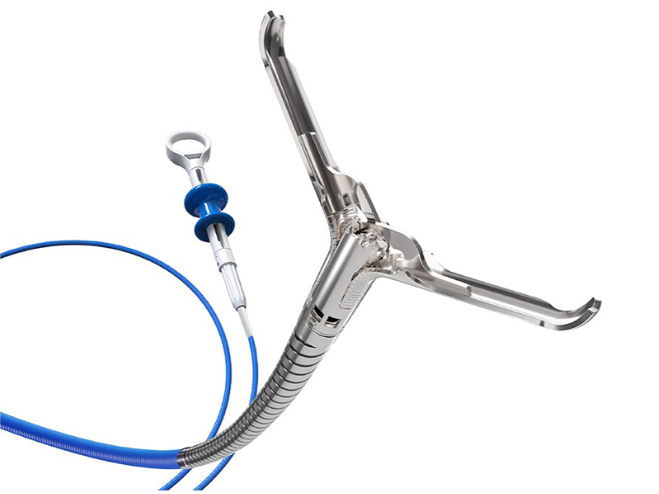
What Are Disposable Hemostatic Clips?
Disposable hemostatic clips are single-use medical devices designed to achieve mechanical hemostasis during endoscopic procedures. The clip is delivered through an endoscope and applied directly to the bleeding site, providing tissue compression without thermal damage.
Compared with other hemostatic methods, endoscopic clips provide a mechanical closure approach and are widely used in gastrointestinal bleeding management, lesion marking and tissue defect closure.
Common applications include:
Gastrointestinal bleeding control
Peptic ulcer bleeding treatment
Post-polypectomy bleeding prevention
Endoscopic mucosal resection (EMR)
Endoscopic submucosal dissection (ESD)
Tissue defect closure
Why Choosing the Right Hemostatic Clip Matters
Different clinical situations require different clip designs. Factors such as lesion location, tissue condition, bleeding severity and accessibility can affect the effectiveness of clip placement.
A suitable disposable hemoclip should provide:
Stable tissue grasping
Accurate positioning
Reliable closure force
Smooth deployment
Compatibility with endoscopic procedures
Modern endoscopic clips vary in opening width, stem length, rotation ability, reopening function and tensile strength, allowing physicians to select suitable devices according to different clinical requirements.
Key Factors to Consider When Selecting Disposable Hemostatic Clips
1. Clip Opening Size and Tissue Grasping Capability
The opening width of a hemostatic clip determines how much tissue can be captured during deployment.
When selecting clip size, consider:
Small Clips
Suitable for:
Small bleeding points
Minor mucosal defects
Limited access areas
Medium Clips
Suitable for:
Routine gastrointestinal procedures
General bleeding control
Large Clips
Suitable for:
Larger lesions
Wider tissue closure requirements
ATE Medical provides multiple opening sizes, including:
9mm
11mm
13mm
16mm
allowing healthcare professionals to select appropriate clips based on different procedural needs.
2. Deployment Accuracy and Rotatable Design
Accurate positioning is one of the most important factors affecting successful hemostasis.
A high-quality disposable endoscopic hemostatic clip should provide:
Smooth catheter movement
Precise clip orientation
Stable deployment control
Easy operation through the endoscope channel
Rotatable clip designs help physicians adjust the clip direction before deployment, especially when treating lesions located in difficult anatomical positions.
3. Clamping Force and Closure Performance
Reliable mechanical compression is essential for effective bleeding control.
When evaluating a disposable hemoclip, buyers should consider:
Clip arm structure
Tissue holding strength
Closure stability
Resistance to displacement
A well-designed clip helps maintain secure tissue approximation after deployment and reduces the risk of ineffective closure.
4. Compatibility with Endoscopic Procedures
Before purchasing disposable hemostatic clips, hospitals and distributors should confirm:
Endoscope compatibility
Delivery catheter specifications
Working channel requirements
Available clip sizes
Common applications include:
Gastrointestinal Hemostasis
Used for:
Gastric ulcer bleeding
Duodenal ulcer bleeding
Colorectal bleeding
Mucosal bleeding
Endoscopic Surgery
Used for:
EMR procedures
ESD procedures
Polypectomy closure
Lesion Marking
Used for:
Follow-up examination positioning
Surgical planning
5. Product Quality and Manufacturing Standards
For medical distributors and healthcare procurement teams, product quality is a key purchasing factor.
A reliable disposable hemostatic clips manufacturer should provide:
Strict Production Control
Including:
Controlled manufacturing environment
Incoming material inspection
Production process monitoring
Final product testing
Sterile Single-Use Packaging
Disposable medical devices require reliable sterile packaging to ensure product safety during transportation and clinical use.
How to Choose a Reliable Disposable Hemostatic Clips Supplier?
When selecting an endoscopic accessories supplier, overseas buyers should evaluate the following factors:
1. Professional Medical Device Manufacturing Experience
A professional manufacturer should have experience producing:
Disposable biopsy forceps
Grasping forceps
Injection needles
Polypectomy snares
Hemostatic clips
A complete product portfolio demonstrates stronger R&D capability and production management.
2. OEM and Customization Capability
For distributors and medical device companies, OEM capability is important.
A reliable supplier should support:
Customized packaging
Private labeling
Product documentation
Technical support
This allows partners to develop products suitable for different healthcare markets.
3. Global Supply Capability
International medical buyers should consider:
Export experience
Stable production capacity
Quality consistency
Long-term cooperation ability
A qualified manufacturer should be able to support continuous supply for hospitals, distributors and healthcare organizations.
Why Choose ATE Medical Disposable Hemostatic Clips?
ATE Medical is a professional disposable endoscopy accessories manufacturer specializing in the development and production of minimally invasive medical devices.
Our disposable endoscopic hemostatic clips are designed for reliable mechanical hemostasis during gastrointestinal procedures, featuring:
Stable clamping performance
Precise deployment
Smooth delivery system
Multiple size options
Single-use sterile packaging
ATE Medical also provides OEM and customized solutions for global medical distributors and healthcare companies, including packaging customization, product labeling and technical support.
With professional manufacturing experience and strict quality control, ATE Medical is committed to becoming a trusted endoscopic hemostatic clips supplier for global partners.
Frequently Asked Questions About Disposable Hemostatic Clips
What are disposable hemostatic clips used for?
Disposable hemostatic clips are used during endoscopic procedures to mechanically compress tissue and control gastrointestinal bleeding.
How do I choose the right endoscopic hemostatic clip?
The selection depends on:
Bleeding location
Lesion size
Tissue condition
Required grasping strength
Endoscopic accessibility
Are disposable hemostatic clips safe?
Yes. Disposable hemostatic clips are designed for single-use medical applications and help achieve mechanical hemostasis without thermal tissue damage.
Can I buy disposable hemostatic clips directly from a manufacturer?
Yes. Hospitals, distributors and medical device companies can purchase disposable hemoclips directly from professional manufacturers that provide OEM services and international supply support.
Conclusion: Selecting the Right Disposable Hemostatic Clip Supplier
Choosing the right disposable hemostatic clip requires evaluating product performance, application requirements, quality control and supplier capabilities.
For hospitals, endoscopy centers and medical distributors looking for a reliable Disposable Endoscopic Hemostatic Clips Manufacturer, ATE Medical provides high-quality endoscopy accessories with professional manufacturing support and customized solutions.
Contact ATE Medical to learn more about disposable hemostatic clips, product specifications and OEM cooperation opportunities.